
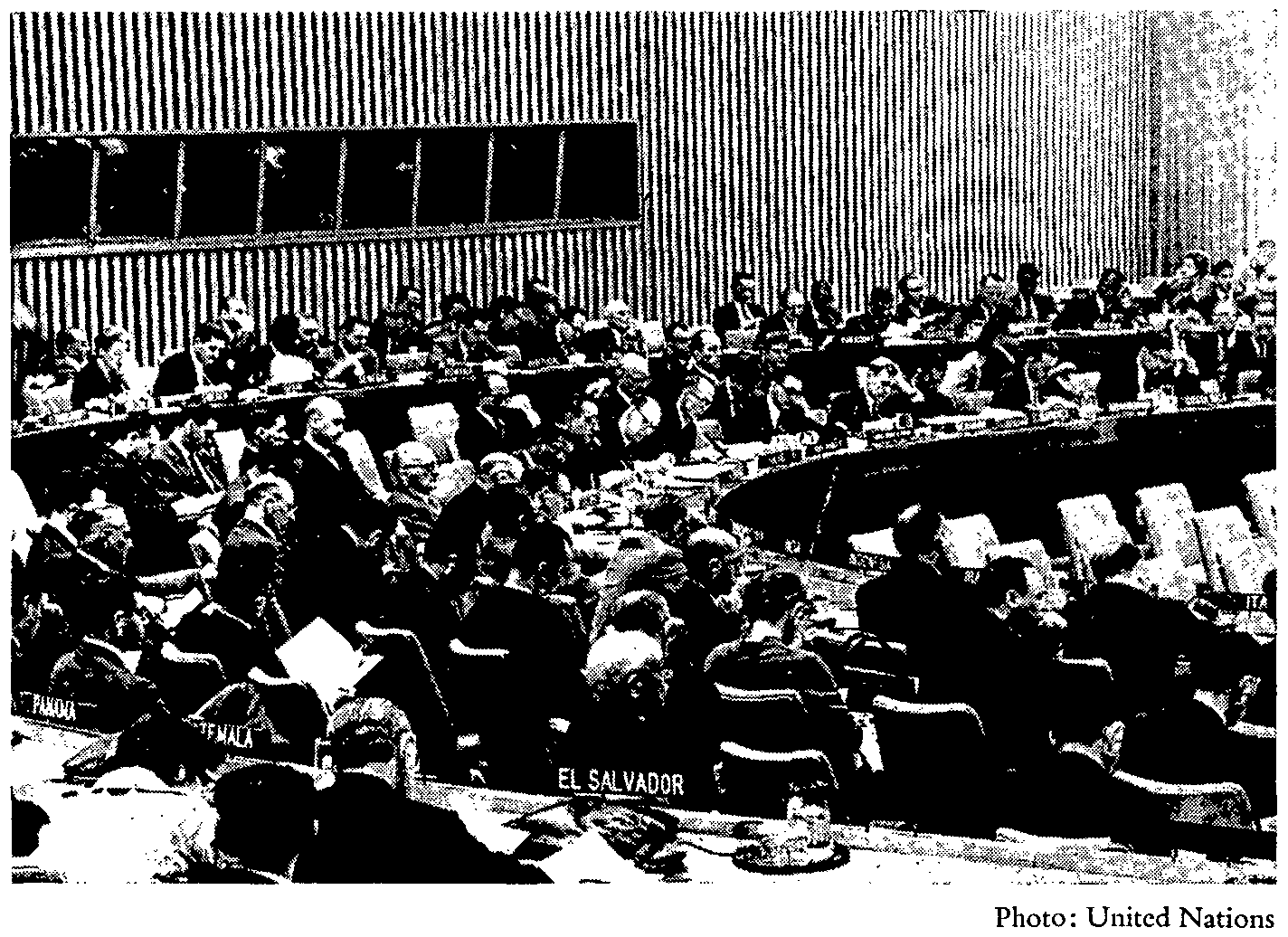
Money-Laundering Terrorist Financing
Money-Laundering Terrorist Financing UN Instruments and Other Relevant International Standards on Money-Laundering and Terrorist Financing Money-Laundering Terrorist Financing – three major instruments and international standards involved: The United National Conventions and Resolutions UN Counter-Terrorism Strategy FATF Standards The United Nations Conventions and Resolutions Nations are sharing efforts to curb money-launderingRead More →
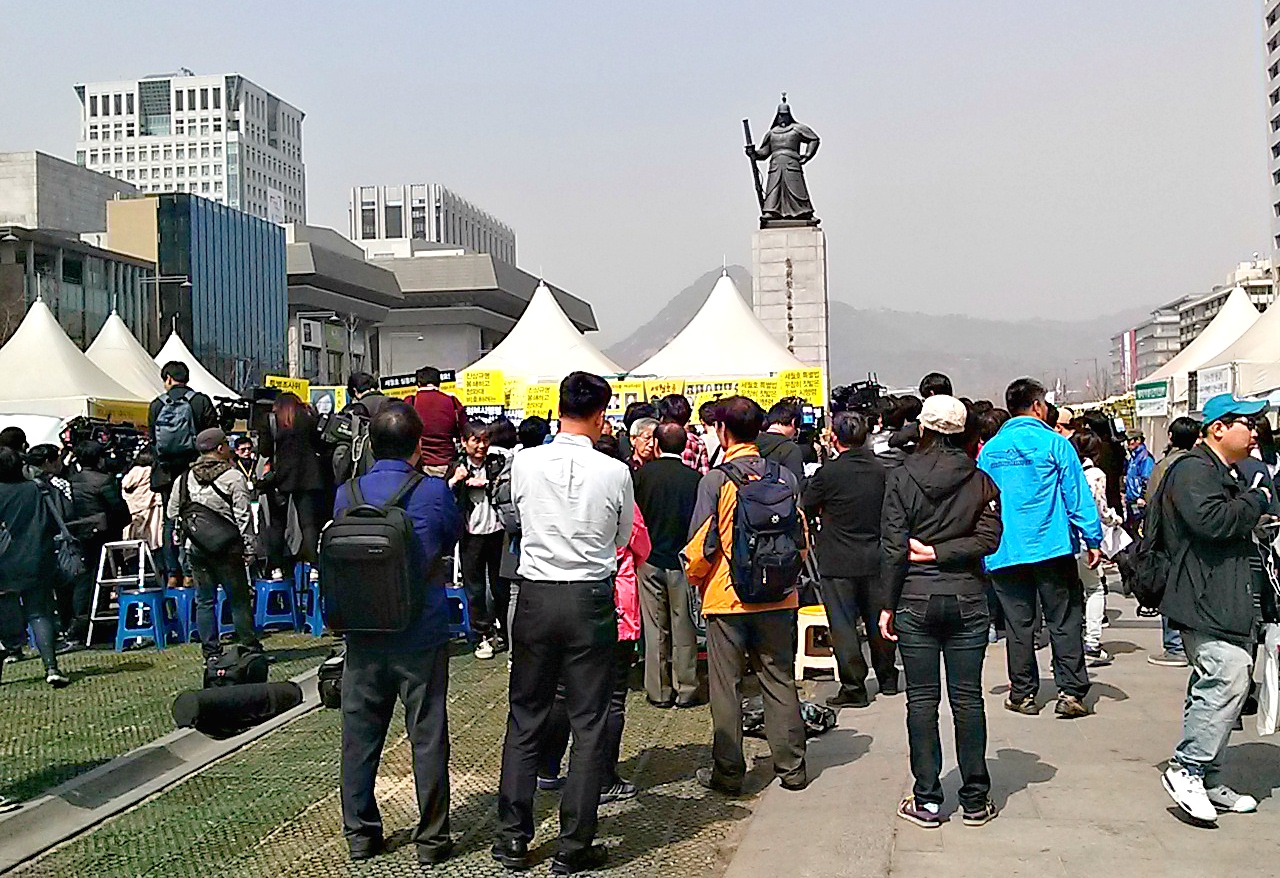
One Year After Sewol
One Year After Sewol “One Year After Sewol: Corruption in South Korea and the role of businesses on the road to transparency” This post publishes an invitation to a discussion related to corruption issues. The main issue that will be tackled in this event is about the Sewol Ferry disasterRead More →
APEC Anti-Corruption Business Code
APEC Anti-Corruption Business Code APEC Anti-Corruption Business Code is my shortened keywords for ‘Implementing the Asia-Pacific Economic Cooperation (APEC) Anti-Corruption Code of Conduct for Business (or APEC Code)’. The content that follow is a short summary of the Final Project Report delivered by Anti-Corruption and Transparency Working Group dated DecemberRead More →

9th GCF Board Meeting
9th GCF Board Meeting The 9th GCF Board Meeting was held on March 24-6, 2015 in Songdo, Incheon City, South Korea. The contents that follow is from a report by the Third World Network. TWN Info Service on Climate Change (Mar15/01) 30 March 2015 Third World Network www.twn.my Green ClimateRead More →
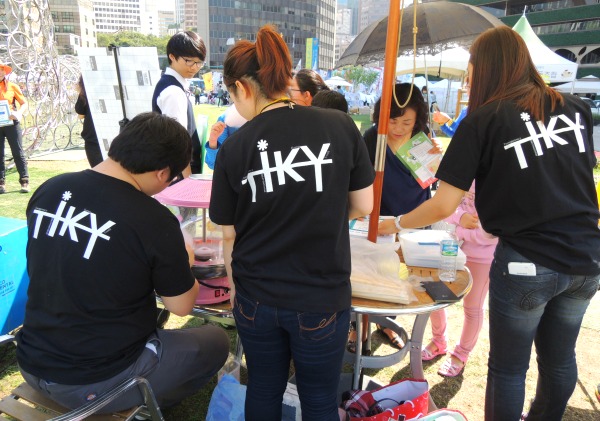
TIKorea 2020 Strategy Survey
TIKorea 2020 Strategy Survey Chapter Name and Country: Transparency International Korea Chapter Contact: Han-Beom You, ED Format of the Strategy consultation used: online survey Conducting TIKorea 2020 Strategy Survey TI Korea did a survey (using SurveyMonkey online tool) among its supporters, members, partners, board members, youth, volunteers and friends regardingRead More →
TIKorea Annual Meeting
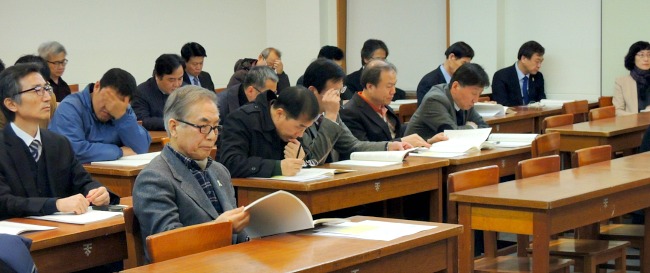
TIKorea Annual Meeting Annually, Transparency International Korea Chapter (TI Korea) holds a general meeting with its members and supporters. This year, we held the general meeting at a building adjacent to our office – Saint Francis Education Center, Jung-gu, Seoul, South Korea. The event was joined by over thirty membersRead More →
Global Corruption Barometer
Global Corruption Barometer 2013 Transparency International produced a report in 2013 measuring global corruption perception. This article is a short summary of the document. The report presents TI’s survey of over 100 thousand respondents in 107 countries. The survey itself addresses the respondents’ local and immediate experiences with briberyRead More →
Monitoring PEPs
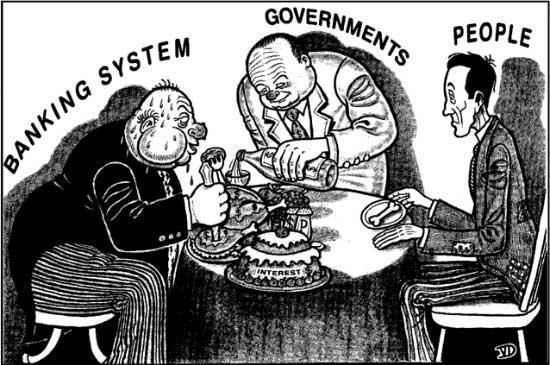
Monitoring PEPs Closing Banks to the Corrupt: The Role of Due Diligence and PEPS This article is a short summary of the policy brief with the above title. The document points out that grand corruption usually involves prominent figures in the society who hold positions and entrusted powers who alsoRead More →
Hackers Against Corruption
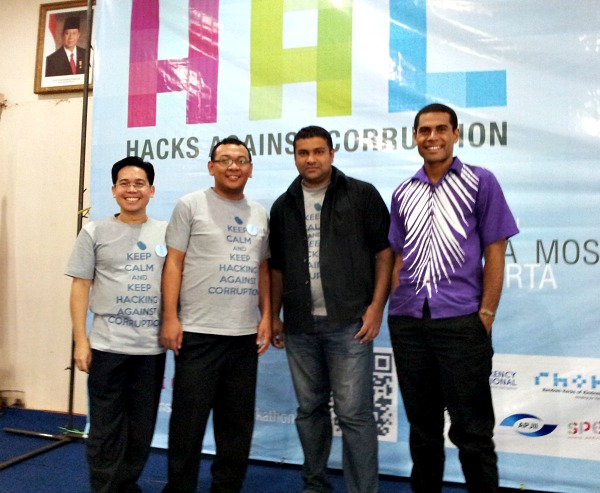
Hackers Against Corruption “What comes to your mind when you hear the word hacker? Most of us think hackers are hacking computer security systems to steal important and confidential information. It is only partially true, since there are hackers who contribute real solutions to social problems such as corruption. WhenRead More →
Fighting Corruption in South Asia
Fighting Corruption in South Asia: Building Accountability This is a brief description of Transparency International’s reports on the findings on anti-corruption activities in Bangladesh, India, Maldives, Nepal, Pakistan and Sri Lanka. Around 70 institutions across these six countries have been analyzed for corruption risks. Most of the report’s focus assessmentRead More →
Anti-Corruption Conference
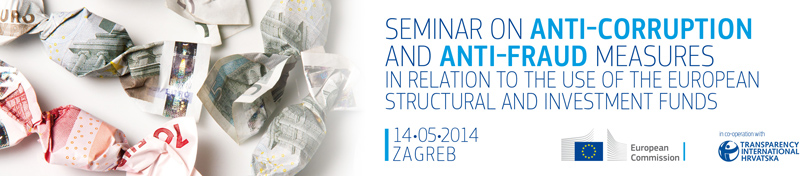
Anti-Corruption Conference Conference on Anti-Corruption and Anti-Fraud Measures In Relation to the Use of the European Structural and Investment Funds Date: 2013 12 03, Brussels The conference is co-organized by the European Commission and Transparency International. It aims to highlight “anti-fraud and anti-corruption measures in relation to the use ofRead More →